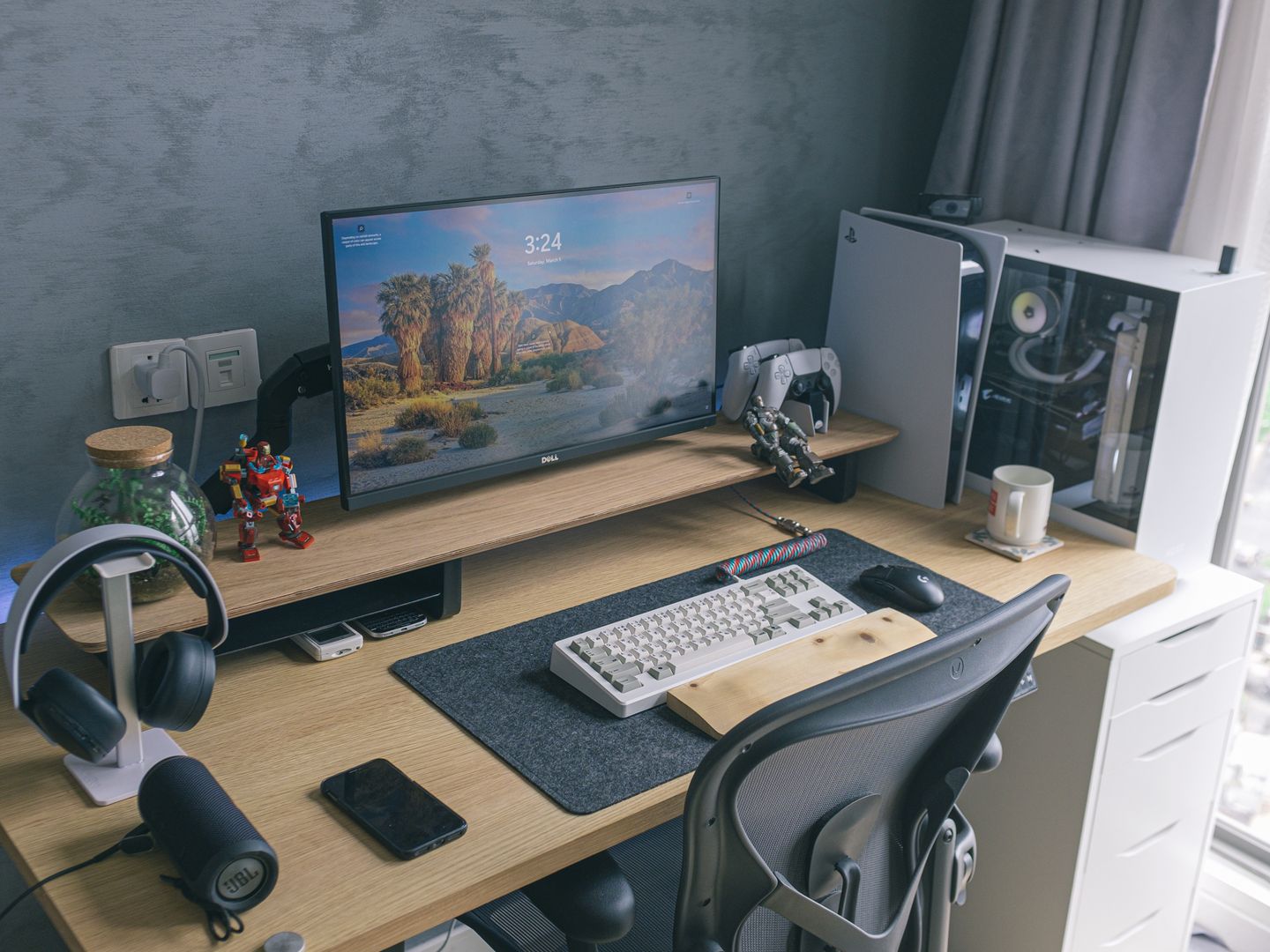
Best Monitors for Home Office
Best claritySettle screen size, connection needs, and stand or arm compatibility. Clear spec comparisons, connection context, and practical ergonomics for long reading days.
- no hands-on panel judgment
The decisions most desks revolve around: screen clarity, typing comfort, meeting readiness, sitting support, and lighting without glare.
Settle screen size, connection needs, and stand or arm compatibility. Clear spec comparisons, connection context, and practical ergonomics for long reading days.
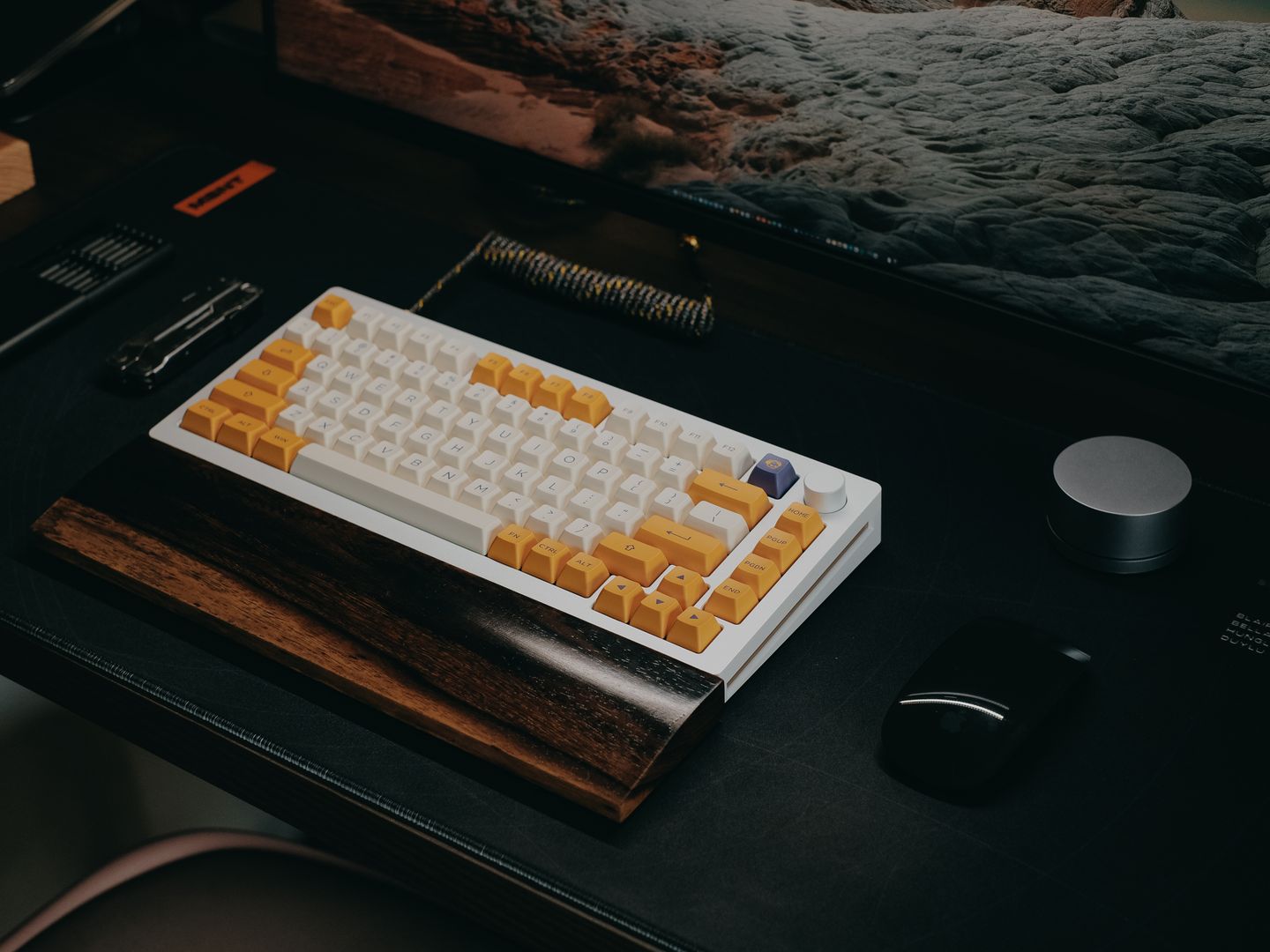
Layout choices, noise, software dependence, and the small details that make daily typing either effortless or irritating. Designed for writing and coding comfort.
For anyone whose face is part of the job—lighting, framing, privacy, and whether plug-and-play is actually true across common work machines.
The newest verdicts first, with the trade-offs stated up front so you know exactly what each option is best at and who should choose something else.
Ten widely available chairs ranked by spec comparison: adjustability, lumbar support, warranty terms, and fit range—evaluated on published data, not testing.
Compare desk lamps for meetings and computer work based on CRI, coverage, and color control. Ranked by published specs—no hands-on testing required.
Compare comfort, clarity, and value before spending on gear
Four themes to guide every purchase: comfort first so your body adjusts the setup instead of the other way around; spec sanity with complete documentation; price reality across retailers; and meeting readiness when your camera and light work together.
| Category | Priorities | Watch for | Good fit |
|---|---|---|---|
| Monitor | text clarity; stand range | limited height; glare | long reading days |
| Keyboard | layout; noise level | locked software; wobble | writing and coding |
| Webcam | framing; low-light claims | forced apps; no privacy | frequent meetings |
| Chair | adjustability; support | short warranties; returns | all-day sitting |
Practical questions remain the same regardless of budget: Can you position it for neutral neck posture, does the connection story match your machine, and is the finish workable in your room?
Decide what problem you are solving: physical discomfort, focus friction, call quality, or desk simplification. Then narrow to options whose published details match your constraints.
These specs show up in real product constraints when USB-C power, mounting compatibility, and resolution matter in everyday ways.
Deskbound Review is for people who spend real hours at a desk and do not have time for vague takes. When your wrists ache, your eyes feel cooked by 3:00 pm, or your video calls look like they are shot through a foggy window, the fix is rarely the most expensive option. It is the right fit for your space, your workload, and the limits you actually live with—cable runs, small rooms, shared spaces, and a calendar full of meetings.
Verdicts here are built from desk research: manufacturer specifications and official product pages, product documentation and manuals, published prices from retailers, published customer reviews and ratings, and independent public reporting. There is no lab, no sample rack, and no claims of hands-on testing—so the only things treated as facts are things you can verify in public sources. Where the data is thin or marketing language is doing the heavy lifting, the conclusion is simply: skip it.
The point is to make trade-offs obvious. Some devices look perfect until you notice the stand cannot reach eye level. Some keyboards are quiet enough for an apartment but feel mushy for long writing sessions. Some webcams advertise 4K yet bury the settings you need behind driver quirks. A good recommendation says what it is best at, what it is not, and who should choose something else.
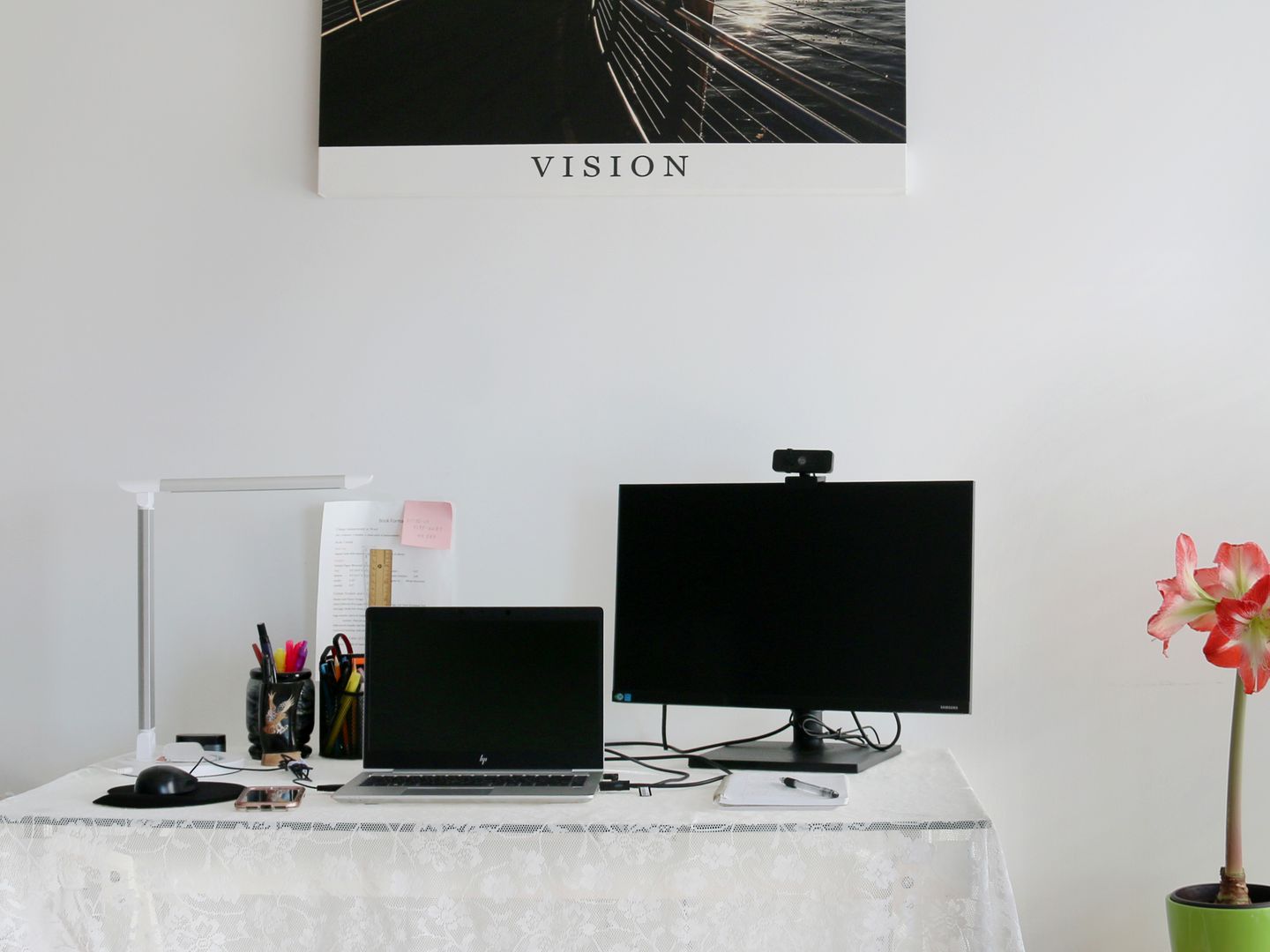
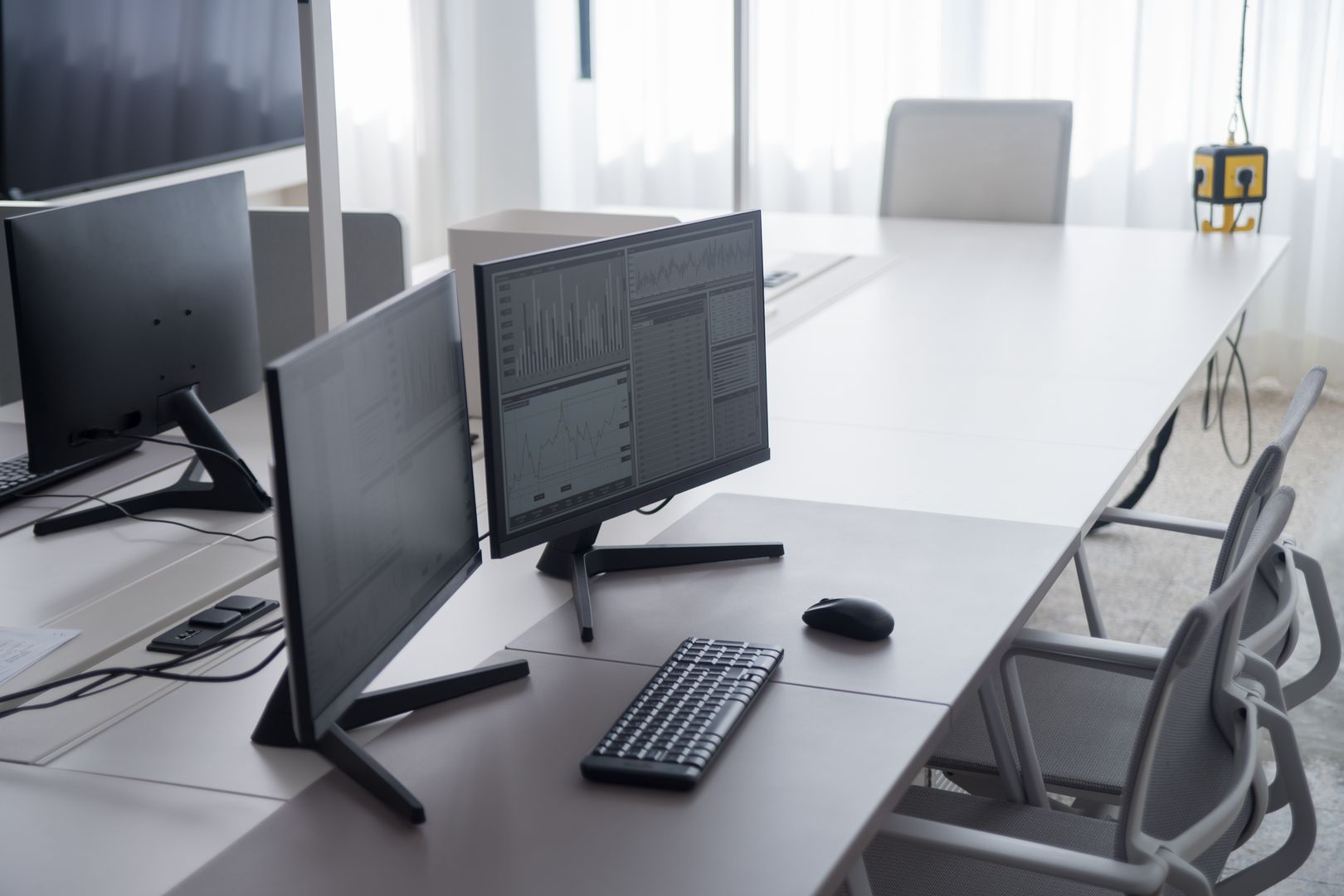
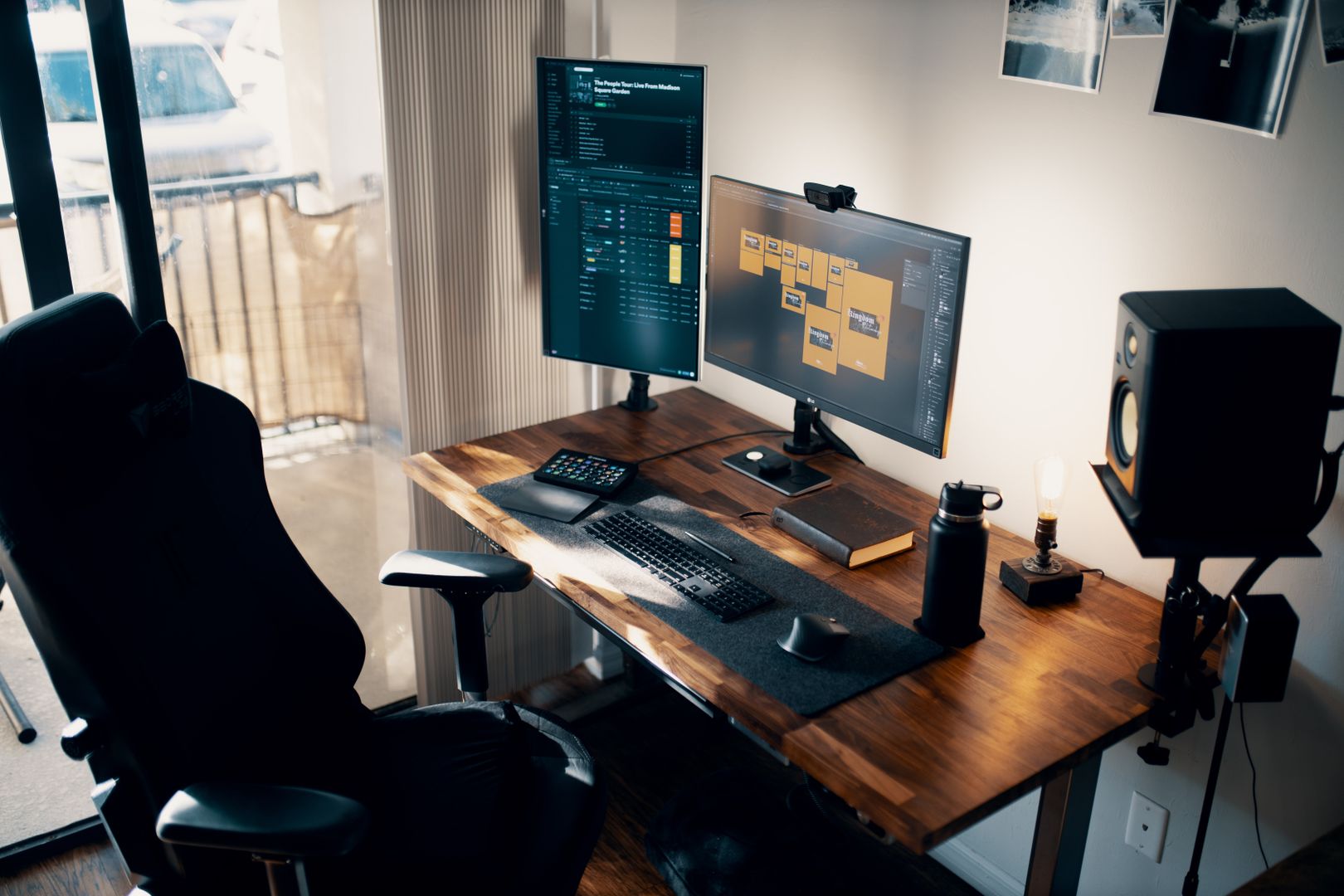
For monitors, the practical questions tend to be the same regardless of budget: Can you position it so your neck stays neutral? Does the connection story match your computer—HDMI, DisplayPort, or USB‑C—and does it create a tidy setup or a cable mess? Is the screen finish workable in your room, or does it mirror every window? If you do design, data work, or any job where text and UI precision matter all day, published coverage, color mode options, and scaling behavior can be more important than chasing the highest refresh numbers that are aimed at a different audience.
For keyboards, the best choice is rarely universal; it is about reducing friction in the work you do most. Layout is the first fork in the road: full-size, compact, or something in between depending on whether you need a dedicated number pad and how much space your mouse hand wants. Then come the reality checks: does it require a background app for remaps, does it behave consistently across common operating systems, and is the noise level appropriate for your environment? Customer review patterns are especially useful here for spotting recurring issues like chatter, keycap wear complaints, or battery frustrations—without pretending those anecdotes equal laboratory reliability.
For webcams, the goal is not cinematic. It is competent, flattering, and predictable—every time you join a call. Published field-of-view numbers help you avoid either the cramped close-up or the wide-angle distortion that makes a normal room look strange. Privacy shutters and clear indicator behavior matter when your camera is part of a shared space. And the unglamorous stuff—driver support, firmware notes, microphone limitations, and known app conflicts—often decides whether a camera becomes invisible or becomes a weekly annoyance.
For chairs, ignore the fantasy that any single model fixes posture. The more reliable approach is to prioritize adjustability and support options that match your body and your desk height: seat height range, armrest adjustability, back support style, and whether the chair can be tuned without fighting it. Documentation and warranty terms matter here because comfort is long-term and the returns process is part of the purchase reality. When chairs are described with unclear dimensions, vague foam claims, or missing warranty information, that uncertainty is treated as a drawback—not a mystery to hand-wave away.
Lighting is the sleeper upgrade. The best desk lamp is not the brightest; it is the one that makes the page and the screen readable without harsh hotspots, reflections, or shadows across your hands. Published color temperature options, dimming steps, and head positioning tell you more about daily usability than any lifestyle photo. If you work on camera, a lamp that can be aimed and softened can do more for your image than swapping cameras repeatedly.
A good desk setup should disappear so you can focus on work. If you want a fast start, begin with the category that touches your day most—screen, typing, sitting, or calls—then narrow to the options whose published details match your constraints.
Ready to simplify your desk? Start with the verdicts that matter.
Browse reviews